Portfolio / Mobile Apps
Mobile Apps
Mobile products win on daily usefulness: notifications, bookings, payments, and experiences designed thumb-first.
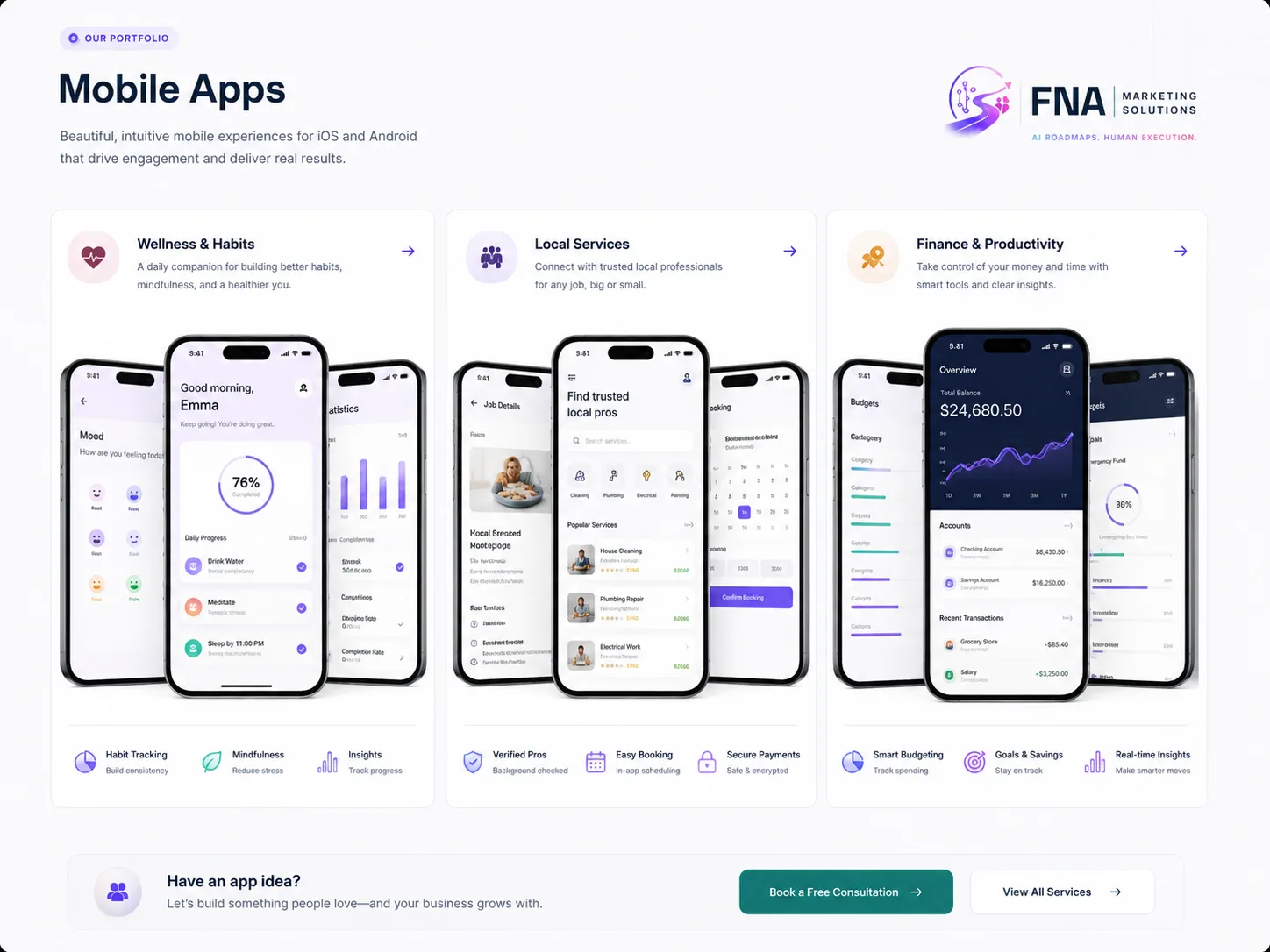
Selected concept work demonstrating the types of digital experiences we can plan and build. Final strategy, design, features, scope, timeline, and pricing are tailored to each client.
Concept directions
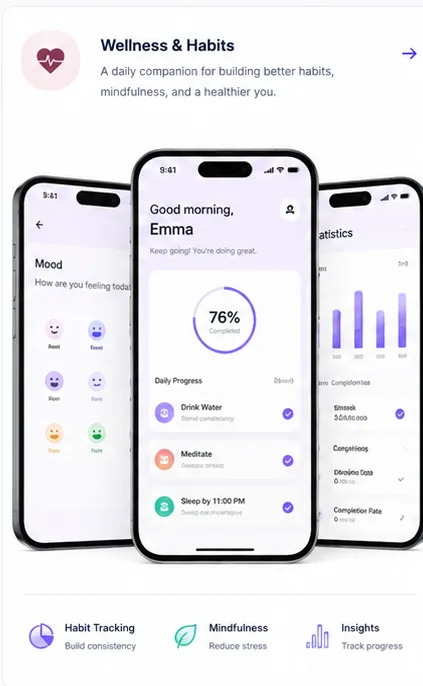 Concept Project
Wellness & Habit App
A daily-ritual app built around streaks, gentle nudges, and visible progress.
View concept →
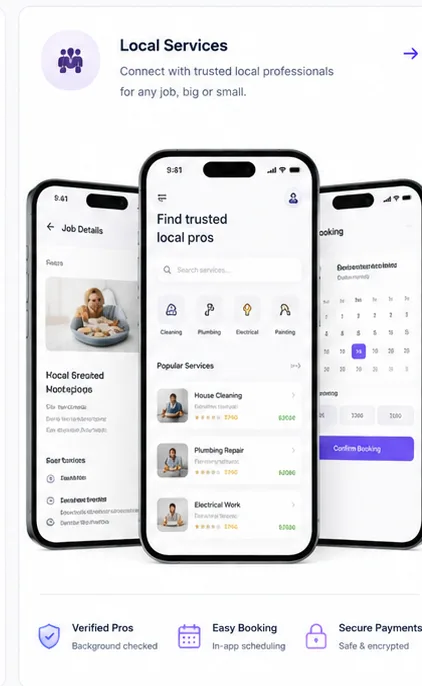 Concept Project
Local Services Marketplace App
Two-sided app connecting customers with vetted local providers — booking to review.
View concept →
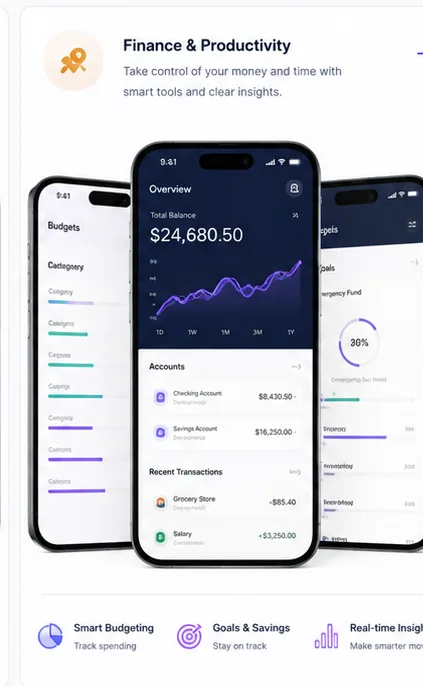 Concept Project
Finance & Productivity App
A personal money-and-tasks companion with insights that respect attention.
View concept →
Like this direction?
Our consultant can review your goals, identify the right first phase, and prepare a tailored scope, timeline, and pricing plan. No payment required — human review before anything is final.
What the planning process actually covers
When you engage FNA for a mobile app project, the planning phase works through four concrete areas before any development begins. First, we map your core user flows — the three to five actions a user will take most often — and pressure-test them for thumb reach and one-handed use. Second, we define the feature set honestly: what ships in version one versus what gets deferred, so scope doesn't quietly expand. Third, we specify integrations — push notification services, payment processors, booking APIs, location permissions — because these decisions affect both timeline and cost significantly. Fourth, we produce a written scope document covering platform targets (iOS, Android, or both), admin requirements, and data handling basics. You leave the planning phase with a document you can take to any developer for a second quote, not just ours. Timelines and costs vary based on complexity; we give you a range estimate during an initial call, not a fixed number before we understand your requirements.
Honest guidance on scope, cost, and timelines
Mobile app projects vary enormously in scope, and cost follows complexity. A focused single-platform app (iOS or Android) with a defined feature set — say, bookings, push notifications, and a user profile — typically requires more planning, design, and development time than most clients initially expect. Cross-platform builds covering both iOS and Android add coordination overhead. Backend requirements (user accounts, payments, admin dashboards, third-party integrations) are often the largest cost driver and the easiest thing to underestimate early. Timelines depend on how quickly decisions get made, how stable the requirements are, and how much revision happens during design. Rushing the scoping phase reliably creates expensive problems later. Our roadmap work is designed to surface these variables before you commit to a full build — so you understand what you're actually buying, what trade-offs exist, and what a realistic budget range looks like for your specific situation. We don't publish fixed prices here because a number without context would mislead more than it helps.
What we need from you before scoping a build
Before we can scope a mobile build honestly, we need a few concrete inputs from you. First, the core user problem: who opens the app, how often, and what they need to accomplish in the first thirty seconds. Second, the must-have features for a first release versus the ones that can wait — most concepts fail because everything is treated as essential. Third, any existing systems the app must connect to, such as booking tools, payment processors, or internal databases. Fourth, your target platforms and whether you need native or cross-platform. Finally, a realistic budget range and launch window. With those five inputs, we can map features to effort, flag dependencies, and give you a scoping document that reflects what is actually buildable, not a wish list.
How we approach custom software development for mobile
We start every mobile engagement by mapping the actual user journey before any interface work begins. That means defining who opens the app, what they need in the first thirty seconds, and which actions drive return visits. From there we scope features against real constraints: platform choice, backend requirements, third-party integrations, and the data your team needs to operate the product day to day. Custom software development for mobile is not a single deliverable — it is a sequence of decisions about architecture, permissions, notifications, payments, and admin tooling. We document those decisions so you can review trade-offs between build complexity and launch speed. If a feature adds cost without improving retention or revenue, we say so. The goal is a mobile product your team can maintain and extend, not a one-off build that stalls after release.
What a mobile app engagement looks like, stage by stage
Every mobile app engagement starts with a scoping conversation, not a sales pitch. We map what the app must do on day one, what can wait, and what you already have — designs, APIs, back-end systems, or an existing app that needs rebuilding. From there we agree on a written scope covering screens, user flows, integrations, and platform targets (iOS, Android, or both). Design and build follow in short review cycles so you see working screens early rather than waiting for a single handoff. Before launch we cover store submission requirements, testing on real devices, and what happens after release — updates, monitoring, and who owns the code. Timelines and cost depend on scope, so we quote after scoping rather than guessing upfront. If your project is a fit, we'll tell you; if it isn't, we'll say so.
Questions to ask any mobile app development team
Before you hire any mobile app team, ask these questions and listen for specifics, not reassurances:
- Who owns the code and design files at the end, and where will they live? - Which platforms and devices will you test on, and how will you handle OS updates after launch? - How do you estimate scope, and what happens to cost if requirements change mid-build? - What do you need from us before you can give a real timeline and price? - How do you handle app store submission, review rejections, and post-launch fixes? - Will we get working builds to review during development, or only at the end? - Who maintains the app after launch, and at what cost?
At FNA, we scope mobile projects around your actual users and workflows, share working builds as we go, and document ownership and maintenance upfront. If a team can't answer these clearly, that's your signal to keep looking.
Reviewed and updated October 25, 2026